
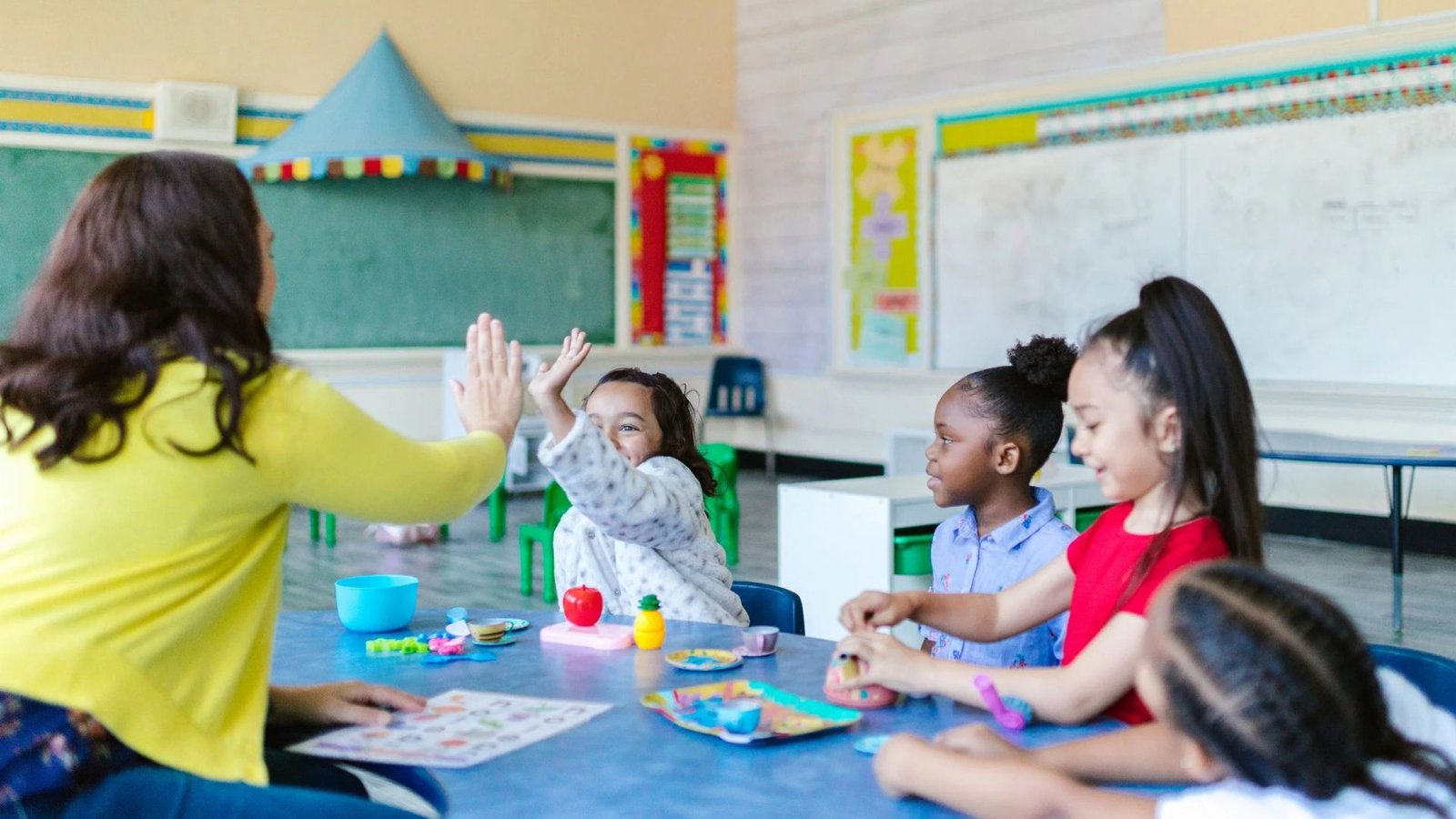
Social awareness is the ability to recognize, understand, and respond to the emotions and needs of the people around you. Developing social awareness helps you build stronger relationships, communicate effectively, and navigate social situations with empathy and confidence. It is a critical component of emotional intelligence and a skill that can be cultivated through practice.

What Social Awareness Means
Social awareness goes beyond noticing emotions—it involves interpreting social cues, understanding others’ perspectives, and responding appropriately. Key aspects include:
- Empathy: Recognizing and relating to the feelings of others.
- Perspective-taking: Understanding situations from another person’s point of view.
- Social cues recognition: Observing facial expressions, tone of voice, and body language.
- Cultural awareness: Respecting differences in communication styles and social norms.
Example: During a group discussion, noticing that a quiet teammate looks uncomfortable allows you to gently invite them to share their thoughts, showing empathy and awareness of their feelings.
Why Developing Social Awareness Matters
Social awareness is essential for personal and professional growth. It impacts communication, collaboration, and overall social harmony:
- Stronger relationships: Understanding emotions and needs strengthens bonds with friends, family, and colleagues.
- Effective communication: Recognizing social cues helps convey messages clearly and respond appropriately.
- Conflict prevention: Awareness of others’ emotions allows for calm, constructive problem-solving.
- Inclusive environments: Understanding different perspectives fosters respect, trust, and collaboration.
Example: A teacher who notices signs of frustration in a student can address the issue early, preventing miscommunication and maintaining a positive learning environment.
How to Develop Social Awareness
Developing social awareness is a skill that requires practice and attention. Here are practical steps:
- Observe carefully: Pay attention to body language, facial expressions, and tone of voice.
- Listen actively: Focus fully on the speaker without interrupting or judging.
- Ask questions: Encourage people to share their feelings and perspectives.
- Practice empathy: Imagine what it feels like to be in someone else’s situation.
- Reflect on interactions: Review social situations to understand what worked and what could improve.
- Learn cultural differences: Be aware of diverse social norms and communication styles.
Example: In a team meeting, you notice a colleague seems hesitant to speak. By asking, “Do you have thoughts to share?” and listening attentively, you create a space where they feel heard and valued.
Benefits of Social Awareness
Developing social awareness provides a wide range of personal and professional benefits. By understanding the emotions, needs, and perspectives of others, you can navigate social situations more effectively, strengthen relationships, and improve overall well-being. Let’s explore these benefits in detail:
Enhanced Empathy
Social awareness strengthens empathy, the ability to understand and share the feelings of others. When you notice others’ emotions and respond thoughtfully, it builds trust and deepens connections. People feel valued and understood, which improves relationships at home, at work, and in social settings.
Improved Communication Skills
Being socially aware improves your ability to communicate effectively. When you recognize verbal and non-verbal cues, such as tone, gestures, or facial expressions, you can tailor your responses to the situation. This reduces misunderstandings, promotes clarity, and encourages more meaningful interactions.
Conflict Resolution
Social awareness helps prevent and resolve conflicts. Understanding the perspectives and emotions of all parties allows you to approach disagreements calmly and constructively. By recognizing early signs of tension, you can address issues before they escalate.
Leadership Development
Leaders who cultivate social awareness are more effective in guiding teams. Socially aware leaders understand the needs, motivations, and emotions of their team members. This fosters trust, encourages collaboration, and inspires loyalty, making people more willing to engage and contribute.
Stronger Teamwork
Social awareness is crucial for creating cohesive and productive teams. Recognizing group dynamics, emotions, and individual strengths allows team members to collaborate more effectively. People feel understood and respected, which encourages cooperation and mutual support.
Final Thoughts
Developing social awareness is a powerful tool for navigating relationships and social environments effectively. By observing cues, practicing empathy, listening actively, and understanding different perspectives, you improve communication, reduce conflict, and strengthen connections. Social awareness is not just a natural talent—it is a skill that can be learned and refined over time, benefiting personal growth, professional success, and overall well-being.


