Emotional resilience is the ability to adapt, recover, and grow in the face of stress, challenges, or setbacks. Life is unpredictable, and setbacks are inevitable, but resilient individuals navigate difficulties with strength, clarity, and calm. Building emotional resilience allows you to handle pressure without being overwhelmed, maintain stable relationships, and protect your mental and physical health.
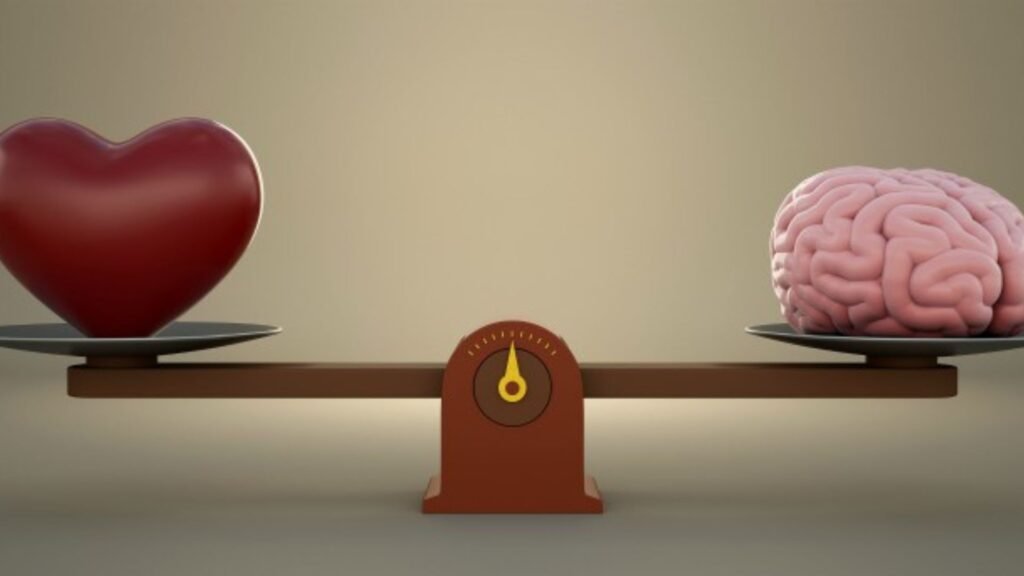
What Emotional Resilience Means
Emotional resilience is not about avoiding stress or suppressing emotions. It is about responding to life’s challenges effectively, learning from experiences, and maintaining inner balance. Resilient people can face discomfort, process emotions, and continue moving forward despite difficulties.
Example: After receiving critical feedback at work, a resilient person reflects on it constructively rather than reacting defensively or feeling defeated.
Why Emotional Resilience Is Important
Without resilience, stress accumulates, leading to anxiety, irritability, or burnout. Emotional resilience strengthens:
- Mental health: Helps prevent anxiety, depression, and emotional overwhelm.
- Physical health: Reduces stress-related tension, improves sleep, and boosts energy.
- Relationships: Enhances patience, understanding, and conflict resolution.
- Decision-making: Supports clarity under pressure and reduces impulsive reactions.
Example: Someone with strong emotional resilience can navigate a heated family disagreement calmly, maintaining connection instead of escalating conflict.
Strategies for Building Emotional Resilience
Develop Self-Awareness
Understand your emotions, triggers, and reactions. Recognizing patterns helps you respond thoughtfully rather than react impulsively.
Example: Journaling about feelings of frustration at work may reveal recurring triggers, allowing you to plan constructive responses.
Practice Mindfulness
Being present helps regulate emotions and reduce stress. Mindfulness allows you to notice difficult emotions without judgment, giving you space to respond wisely.
Example: Pausing to focus on your breath during a stressful conversation can prevent a reactive outburst and promote calm communication.
Cultivate Positive Relationships
Supportive connections provide emotional safety, encouragement, and perspective. Surrounding yourself with empathetic people strengthens resilience.
Example: Talking through challenges with a trusted friend or mentor can help you feel supported and gain clarity.
Strengthen Problem-Solving Skills
Approach challenges with a solution-oriented mindset. Break problems into manageable steps and focus on what you can control.
Example: Facing a tight deadline at work, create a plan, prioritize tasks, and focus on one step at a time rather than becoming overwhelmed.
Build Healthy Coping Strategies
Develop habits that release stress and support emotional regulation, such as exercise, creative outlets, deep breathing, or somatic practices.
Example: After a stressful day, a short walk in nature or a yoga session can restore energy and emotional balance.
Practice Self-Compassion
Treat yourself kindly during challenges. Acknowledge mistakes without self-criticism and remind yourself that setbacks are part of growth.
Example: Saying, “It’s okay to feel anxious—I’m learning and growing,” reinforces resilience rather than shame.
Benefits of Emotional Resilience
Building emotional resilience improves every area of life:
- Better stress management and recovery
- Enhanced emotional intelligence and self-awareness
- Stronger relationships and social support
- Improved physical health and energy
- Greater confidence in facing life challenges
Example: A student who practices resilience can handle exam stress, learn from mistakes, and maintain balance in social and academic life.
Final Thought
Building emotional resilience is a lifelong process, but small, consistent practices make a significant difference. By developing self-awareness, practicing mindfulness, nurturing relationships, strengthening problem-solving, building healthy coping skills, and practicing self-compassion, you can face life’s challenges with strength, clarity, and calm. Emotional resilience empowers you to not only survive but thrive.