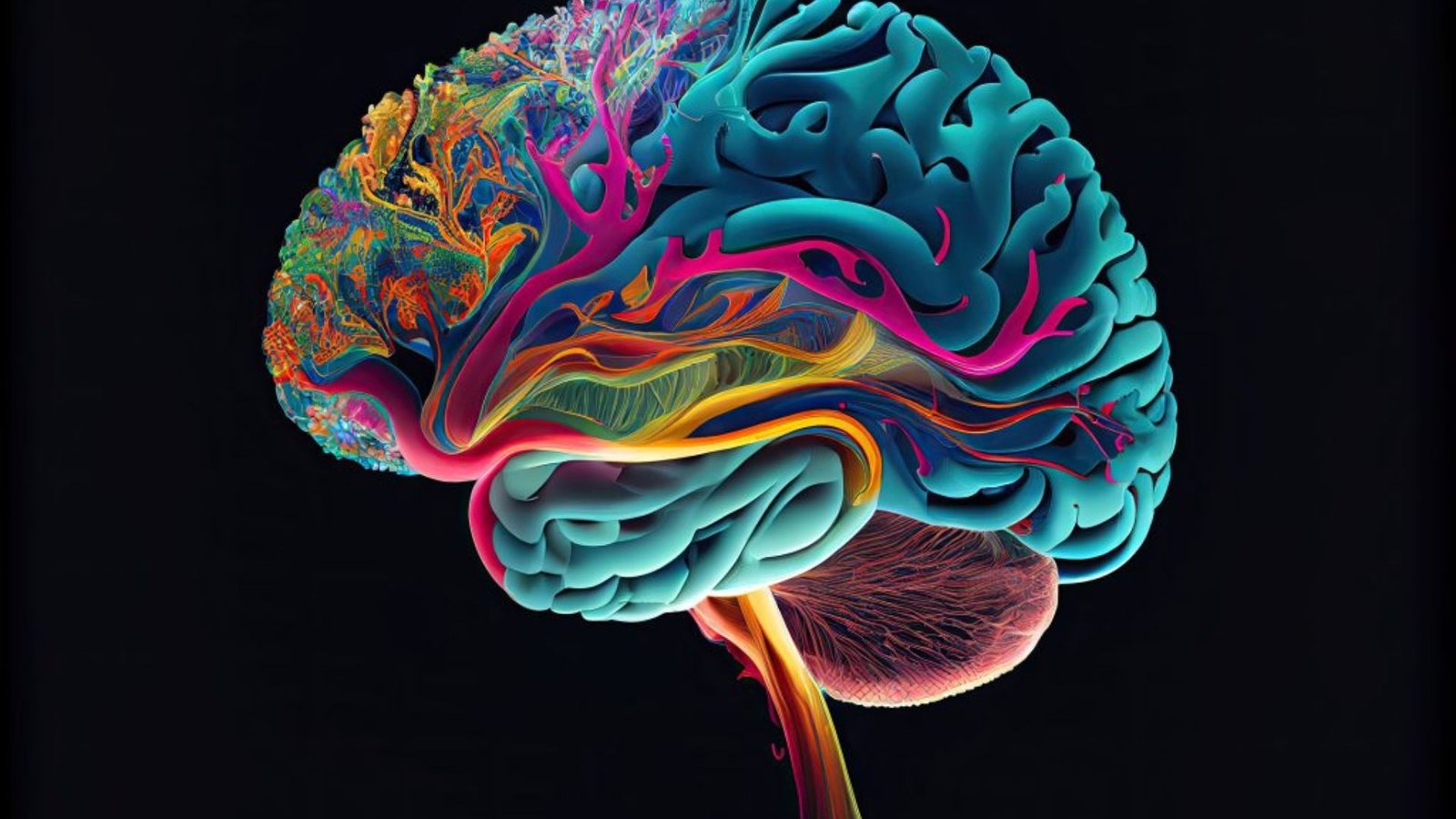
Emotions are central to human experience. They guide decisions, influence behavior, and shape relationships. Understanding the brain behind emotions helps us see how feelings arise, how the mind and body work together, and how we can respond to emotions in healthy ways.
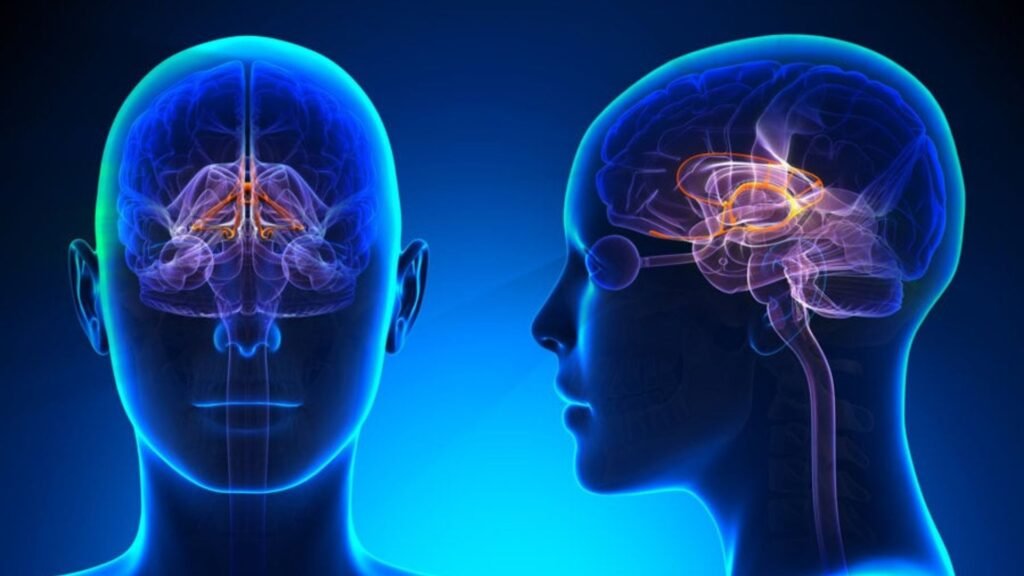
How the Brain Processes Emotions
The brain is the control center for emotions. Several regions work together to create emotional experiences:
- Amygdala: Often called the brain’s alarm system, the amygdala detects threats or rewards and triggers immediate emotional responses such as fear, joy, or anger.
- Prefrontal Cortex: This area is responsible for reasoning, decision-making, and regulating emotions. It helps interpret what we feel and guides our reactions in a thoughtful way.
- Insula: The insula monitors bodily sensations and connects them to emotions. For example, a racing heart or tight stomach contributes to the feeling of anxiety or excitement.
- Hippocampus: Linked to memory, the hippocampus provides context for emotions. Past experiences shape how we respond to similar situations in the future.
These regions communicate constantly, allowing emotions to form rapidly and influence thoughts, actions, and physical responses.
Emotions and the Body
The brain behind emotions does not work alone—the body is a key partner in creating and experiencing feelings. Our emotional experiences are deeply tied to physical sensations, and hormones and neurotransmitters act as messengers that connect the mind and body. Understanding this connection helps explain why emotions feel so powerful and sometimes even overwhelming.
Cortisol: The Stress Hormone
Cortisol is released by the adrenal glands during stressful or threatening situations. It prepares the body to respond quickly by increasing heart rate, heightening alertness, and redirecting energy to essential functions. While cortisol is helpful in short bursts, prolonged stress leads to a constant flood of this hormone, which creates tension, worry, and even physical symptoms like headaches or muscle tightness.
For example, when you feel anxious about an upcoming exam or a difficult conversation, cortisol causes that sense of nervousness and physical tension. Recognizing this connection helps us understand that stress is not just “in our head”—it is felt in our body as well.
Adrenaline: The Action Hormone
Adrenaline, also produced by the adrenal glands, triggers excitement, alertness, and the fight-or-flight response. It increases energy, sharpens focus, and prepares the body for quick action.
For instance, before giving a presentation or playing a competitive sport, you may notice a racing heart, rapid breathing, or butterflies in your stomach. These sensations are signs that adrenaline is preparing your body to perform. In this way, adrenaline connects our emotional response directly to our physical readiness.
Oxytocin: The Bonding Hormone
Oxytocin plays a critical role in connection, trust, and emotional safety. Often called the “love hormone,” oxytocin is released during positive social interactions, touch, or moments of care. It encourages feelings of warmth, safety, and closeness.
For example, hugging a loved one, holding hands, or sharing a comforting conversation can trigger oxytocin, which strengthens emotional bonds and creates a sense of calm. This demonstrates that our emotions are not just mental—they are deeply embodied and shaped by physical interaction and social connection.
The Mind-Body Connection
These hormones and neurotransmitters illustrate how tightly emotions and physical sensations are linked. Feeling anxious, excited, or safe is not just a mental process—it involves the entire body. Muscle tension, heart rate, breathing patterns, and even gut sensations reflect the emotional state of the brain.
Being aware of this connection allows us to better regulate our emotions. Techniques like deep breathing, stretching, or mindful movement can help calm cortisol-induced tension, balance adrenaline surges, and enhance oxytocin’s calming effects.
Feeling Is Embodied
Ultimately, understanding that emotions are embodied reminds us that feeling is a full-body experience. Our thoughts, sensations, and interactions all influence one another. When the brain and body work together, we experience emotions as rich, multidimensional signals that guide decisions, communication, and relationships.
Emotional Regulation and the Brain
The prefrontal cortex is key to regulating emotions. By practicing mindfulness, reflection, and awareness of bodily sensations, we can strengthen our ability to manage emotional responses. Emotional regulation reduces impulsive reactions, improves relationships, and supports mental well-being.
Social and Relational Impact
The brain’s emotional network also shapes how we connect with others. Mirror neurons allow us to sense and empathize with other people’s feelings, creating understanding and bonding. Recognizing emotions in ourselves and others strengthens relationships, trust, and communication.
Final Thoughts
Understanding the brain behind emotions gives insight into why we feel the way we do. Emotions are a combination of brain activity, body responses, and past experiences. By learning how the brain forms and regulates emotions, we can respond thoughtfully, strengthen relationships, and improve overall well-being.