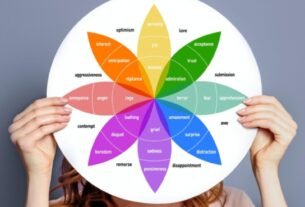
Emotional literacy is the ability to recognize, understand, and express emotions clearly. Building emotional literacy helps you connect with yourself and others, manage stress, and respond thoughtfully to life’s challenges. It is a key skill for personal growth, mental health, and strong relationships.

What Emotional Literacy Means
Emotional literacy goes beyond simply knowing how you feel. It involves:
- Recognizing emotions: Identifying feelings in yourself and others.
- Understanding emotions: Knowing why these emotions occur and how they influence behavior.
- Expressing emotions appropriately: Communicating feelings in a healthy, constructive way.
- Responding to emotions: Managing reactions thoughtfully rather than impulsively.
Example: If you feel frustrated at work, emotional literacy helps you notice the frustration, understand its source (e.g., an overwhelming task), and respond by calmly discussing priorities rather than snapping at a colleague.
Why Building Emotional Literacy Matters
Developing emotional literacy benefits all areas of life:
- Improved self-awareness: Recognizing your emotions gives insight into your needs, motivations, and triggers.
- Stronger relationships: Understanding others’ emotions fosters empathy, trust, and effective communication.
- Better emotional regulation: Awareness helps manage stress, reduce conflict, and prevent emotional outbursts.
- Enhanced decision-making: Emotions provide valuable information for thoughtful, balanced choices.
Example: A parent who identifies and names their own stress can respond more calmly to a child’s tantrum, teaching the child healthy ways to express feelings.
Practical Steps to Build Emotional Literacy
- Name your emotions: Label feelings accurately. Replace “I feel bad” with “I feel anxious” or “I feel disappointed.”
- Check your body: Notice tension, heart rate, or physical discomfort as clues to emotional states.
- Reflect on triggers: Identify patterns in situations that evoke strong emotions.
- Practice empathy: Observe others’ emotions and imagine their perspective.
- Journal your feelings: Writing down emotions clarifies thoughts and uncovers patterns.
- Communicate emotions: Share feelings with trusted people using “I feel…” statements.
- Mindfulness exercises: Stay present with emotions without judgment to prevent reactivity.
Benefits of Building Emotional Literacy
Building emotional literacy has far-reaching effects on both personal and professional life. When you understand and manage your emotions effectively, you unlock skills that enhance relationships, decision-making, and overall well-being. Let’s explore these benefits in detail:
Emotional Intelligence Grows
Developing emotional literacy directly strengthens your emotional intelligence, which is your ability to recognize, understand, and respond to emotions—both your own and others’. Emotional intelligence allows you to navigate social interactions more smoothly and respond thoughtfully in challenging situations.
Resilience Improves
Emotional literacy enhances resilience—the ability to bounce back from setbacks. By understanding your emotional reactions, you can prevent feelings of overwhelm and develop strategies to recover more effectively. Awareness allows you to see challenges as manageable rather than threatening.
Conflict Decreases
When you can recognize and express your emotions, misunderstandings and conflicts are reduced. Emotional literacy helps you communicate clearly about what you feel and why, preventing tension from escalating. It also enables you to understand the perspectives of others, fostering compromise and collaboration.
Connection Deepens
Being emotionally literate allows you to build stronger connections with those around you. Understanding and expressing emotions clearly improves trust, empathy, and openness in relationships. People feel valued and understood when you respond thoughtfully to their emotions.
Decision-Making Improves
When you are in touch with your emotions, your decision-making becomes more aligned with your values and needs. Emotional literacy allows you to consider both rational and emotional factors, resulting in choices that are balanced, thoughtful, and sustainable.
Final Thoughts
Building emotional literacy is an essential skill for navigating life with awareness and compassion. By recognizing, understanding, and expressing emotions clearly, you enhance self-awareness, strengthen relationships, and develop resilience. Emotional literacy is not an innate talent—it is a skill that can be practiced and refined every day. With consistent effort, it becomes a foundation for healthier, more balanced, and fulfilling interactions in both personal and professional life.