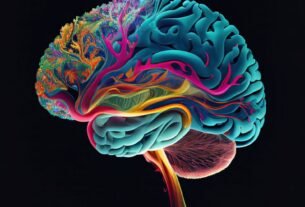
Emotions are not just mental experiences—they are deeply embodied. Learning to notice feeling emotions in the body helps you understand yourself, regulate reactions, and strengthen overall well-being. Every emotion, whether joy, sadness, fear, or anger, produces physical sensations that can guide your awareness and decision-making.

Why Emotions Are Felt in the Body
When you experience an emotion, your brain communicates with the body through the nervous system. Hormones and neurotransmitters like cortisol, adrenaline, and oxytocin create physical responses that help you react appropriately to situations.
- Fear: Triggers rapid heartbeat, shallow breathing, and muscle tension.
- Anger: Often shows as a flushed face, clenched fists, or tight jaw.
- Sadness: May feel like a heaviness in the chest or a lump in the throat.
- Joy: Can produce warmth, lightness, or an energized feeling throughout the body.
Recognizing these physical cues allows you to process emotions consciously instead of reacting unconsciously.
Example: Feeling tension in your shoulders during an argument signals stress, prompting you to pause and respond calmly rather than lashing out.
How to Notice Emotions in the Body
Becoming aware of bodily sensations linked to emotions requires practice. Here are steps to tune in:
Pause and Observe
Take a moment to stop and check in with your body. Notice areas of tension, tightness, or discomfort.
Example: Sitting quietly, you may notice a tightness in your chest when recalling a stressful memory. This shows your body is holding onto the emotion of anxiety.
Track Physical Sensations
Different emotions often appear in predictable places. Observing these patterns helps you identify emotions faster.
Common areas:
- Chest: anxiety, sadness, excitement
- Stomach: nervousness, worry, anticipation
- Jaw: anger, frustration
- Back and shoulders: tension, stress
Example: Feeling butterflies in your stomach before speaking in public is your body signaling nervous anticipation.
Breathe and Connect
Mindful breathing helps you connect with bodily sensations and calm overactive reactions. Slow, deep breaths allow you to notice subtle feelings and reduce stress.
Example: Inhaling deeply while noticing tightness in your shoulders can release tension and help you feel grounded during stressful moments.
Name Your Emotions
Labeling physical sensations with emotional terms improves clarity and emotional regulation. Saying “I feel anxious” or “I feel frustrated” links mind and body and helps you respond constructively.
Example: A lump in your throat paired with racing thoughts may indicate fear or sadness, helping you address the feeling rather than ignoring it.
Respond Mindfully
Once you notice and name emotions in the body, you can choose how to respond. Movement, stretching, mindful walking, or gentle exercise helps release stored tension and regulate the nervous system.
Example: Feeling anger in your jaw and fists, you might take a short walk or do a few stretches before responding to a conflict calmly.
Benefits of Feeling Emotions in the Body
- Improved emotional regulation: Early detection of emotions prevents impulsive reactions.
- Stronger mind-body connection: Awareness of sensations helps balance physical and mental states.
- Stress reduction: Releasing tension reduces anxiety and physical strain.
- Deeper self-understanding: Body sensations reveal patterns and triggers in emotional life.
- Enhanced relationships: Being aware of your emotions allows for more compassionate responses to others.
Example: A parent noticing their own stress and tension before responding to a child’s tantrum can pause, breathe, and respond with patience, improving the interaction.
Final Thought
Feeling emotions in the body is a powerful practice for self-awareness and well-being. By noticing physical sensations, tracking patterns, breathing mindfully, and responding consciously, you strengthen your mind-body connection, reduce stress, and navigate life with emotional clarity. Learning to listen to your body transforms emotions from overwhelming experiences into guiding signals for healthier, balanced living.