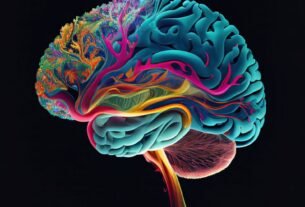
Emotions shape the way we think, act, and connect with others. But how exactly does the brain process emotions, and why do they feel so intense? Understanding how emotions are processed reveals the connection between the mind, body, and experiences, helping us respond to feelings more effectively.

The Brain’s Role in Emotions
Emotions begin in the brain, where several key regions work together to create and regulate feelings:
- Amygdala: Acts as the brain’s alarm system. It detects threats or rewards and triggers immediate emotional responses like fear, anger, or joy.
- Prefrontal Cortex: This region is responsible for reasoning, self-control, and regulating emotions. It interprets emotions, evaluates situations, and guides thoughtful responses.
- Insula: Monitors bodily sensations and connects them to feelings, such as a racing heart or tight stomach.
- Hippocampus: Links emotions to memory, allowing past experiences to influence current emotional reactions.
These regions communicate constantly, forming a complex network that determines how we experience and respond to emotions.
The Role of the Body
Emotions are not just mental—they are embodied experiences. Hormones and neurotransmitters in the body amplify emotional experiences:
- Cortisol increases during stress, creating tension or anxiety.
- Adrenaline prepares the body for action during excitement or fear.
- Oxytocin promotes trust, connection, and feelings of safety.
Physical sensations, like butterflies in the stomach, a tight chest, or a racing heart, are part of how the body signals emotions. By paying attention to these signals, we can better understand what we feel and why.
Emotional Processing in Action
When an event occurs, the brain processes it in stages:
- Detection: The amygdala quickly recognizes whether the situation is positive, negative, or neutral.
- Interpretation: The prefrontal cortex evaluates the context, draws on past experiences, and interprets the emotional meaning.
- Physical Response: The body responds through hormones, heart rate, breathing, and muscle tension.
- Conscious Awareness: Finally, the brain creates the conscious feeling, allowing us to recognize and label the emotion.
For example, if someone surprises you with a gift, your amygdala registers excitement, your body may feel warmth and energy, and your prefrontal cortex interprets the situation as positive. You then consciously experience joy and gratitude.
How Emotions Influence Behavior
Emotions guide behavior in subtle and powerful ways. Fear can make us withdraw, excitement can motivate action, and anger can inspire protection or assertiveness. Because emotions are processed before conscious thought, they often influence decisions faster than logic.
This is why understanding how emotions are processed is crucial. By recognizing how feelings arise and affect behavior, we can respond thoughtfully instead of reacting impulsively.
The Social Dimension of Emotional Processing
Processing emotions is also essential for connecting with others. Mirror neurons in the brain allow us to recognize and empathize with others’ feelings. Observing body language, tone of voice, and facial expressions activates similar emotional responses in us, helping us understand and respond to others appropriately.
This social processing is vital in relationships, teamwork, and communication. Emotional awareness strengthens empathy, trust, and collaboration.
Practical Tips for Managing Emotional Processing
- Observe your body signals – Notice tension, heartbeat, and breathing patterns.
- Name your emotions – Labeling emotions improves understanding and control.
- Pause before reacting – Give your brain time to interpret before responding.
- Practice mindfulness – Being present helps regulate and process emotions effectively.
- Reflect on past experiences – Understanding emotional patterns improves future responses.
Final Thoughts
Understanding how emotions are processed shows that feelings are a combination of brain activity, bodily responses, and past experiences. By paying attention to this process, we can improve emotional regulation, decision-making, and social interactions. Emotions are not random—they are signals that guide our actions, strengthen connections, and help us navigate life with awareness.