
Feelings are at the core of human experience. They guide decisions, shape relationships, and influence behavior. Understanding how feelings are formed helps us recognize their importance and learn to respond to them in healthy ways.
What Are Feelings?
Feelings are the conscious experience of emotions. While emotions are automatic responses to events, feelings are how we experience and interpret those emotions. For example, fear is an emotion, while the feeling of anxiety or worry is how we perceive and understand that emotion.
The Role of the Brain
The process of how feelings are formed begins in the brain. Different regions work together to create emotional experiences:
-
The amygdala detects threats or rewards and triggers emotions like fear or joy.
-
The prefrontal cortex helps interpret these emotions, connecting them to past experiences and guiding conscious thought.
-
The insula monitors body signals, like heart rate or tension, contributing to how we feel internally.
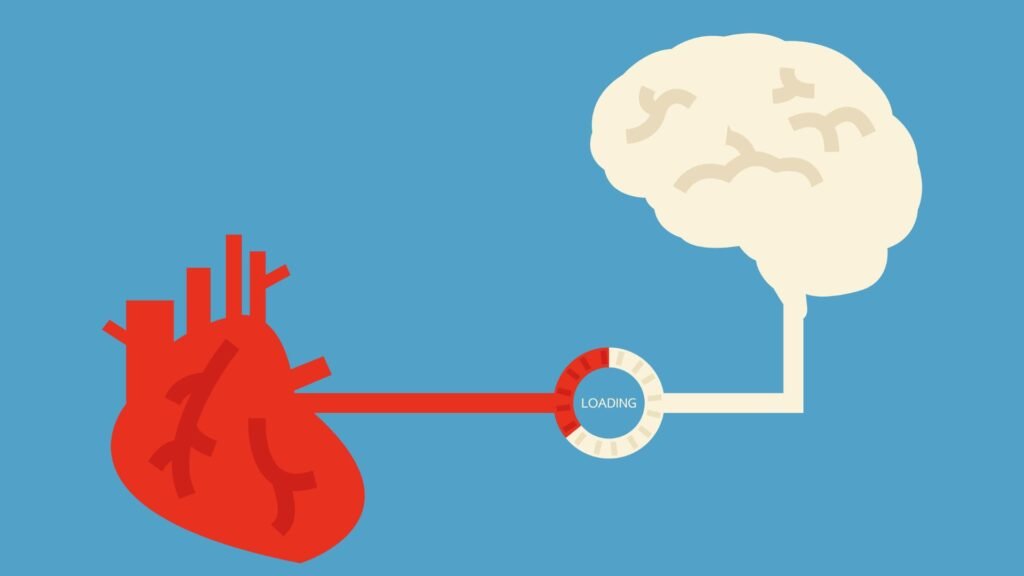
This coordination between brain regions allows us to become aware of our emotional states and label them as specific feelings.
The Body’s Contribution
Feelings are not just in the brain—they involve the body too. The body reacts to emotions through sensations such as tension, warmth, or butterflies in the stomach. Hormones like cortisol, adrenaline, and oxytocin affect the intensity and quality of feelings.
For instance, when we experience stress, the body releases cortisol, which can create the feeling of anxiety.
Experiences and Interpretation
Our past experiences shape how feelings are formed. The same event can trigger different feelings in different people because we interpret situations through personal beliefs, memories, and expectations.
For example, public speaking may cause excitement in one person but fear in another. Both are emotional responses, but individual perception and interpretation determine the resulting feeling. Understanding this helps us become more aware of why we react emotionally in certain situations.
Social and Environmental Influences
Feelings are also influenced by the social environment. Interactions with others, cultural norms, and the support or stress we experience shape emotional responses. Empathy, connection, and emotional safety can create positive feelings, while conflict, judgment, or neglect may trigger negative feelings.
Why Understanding Feelings Matters
Knowing how feelings are formed allows us to respond thoughtfully rather than react impulsively. Emotional awareness improves decision-making, strengthens relationships, and supports mental well-being. By noticing our body signals, understanding emotional triggers, and reflecting on experiences, we can manage our feelings more effectively.
Tips for Becoming Aware of Feelings
Becoming aware of your feelings is an important step toward emotional intelligence and well-being. Here are some practical tips to help you notice, understand, and respond to your emotions effectively.
Check in with Your Body
The body is closely linked to emotions. Physical sensations such as tension in your shoulders, a fast heartbeat, or a feeling of tightness in your stomach often signal underlying emotions. By paying attention to these cues, you can identify how you are feeling before your mind fully processes it.
Name Your Feelings
Labeling your emotions is a powerful way to gain clarity. Instead of just feeling “bad” or “good,” try identifying the specific emotion—anger, sadness, excitement, fear, or frustration. Naming your feelings helps you understand what is happening inside and reduces the intensity of strong emotions.
Observe Triggers
Reflecting on what causes specific feelings is key to emotional awareness. Triggers can be events, people, thoughts, or even certain environments. By observing these triggers, you can understand why you react in particular ways and anticipate emotional responses.
Practice Mindfulness
Mindfulness involves paying attention to the present moment without judgment. Practicing mindfulness helps you notice your feelings as they arise instead of suppressing or ignoring them.
Share Your Emotions
Talking about your feelings with trusted people is a valuable way to process and understand them. Sharing emotions encourages connection, support, and validation. It can also give you new perspectives on your experiences, helping you see things more clearly.
Final Thoughts
Understanding how feelings are formed reveals the deep connection between the brain, body, and experiences. By becoming aware of emotions and their triggers, we gain insight into ourselves, make better decisions, and build stronger, healthier relationships. Feelings are not just reactions—they are essential guides for navigating life.