The nervous system controls how your body responds to stress, danger, and daily life. Learning how to regulate the nervous system is essential for emotional balance, physical health, and overall well-being. When the nervous system is out of balance, you may experience anxiety, tension, or fatigue. By using intentional techniques, you can calm your body, improve focus, and restore resilience.
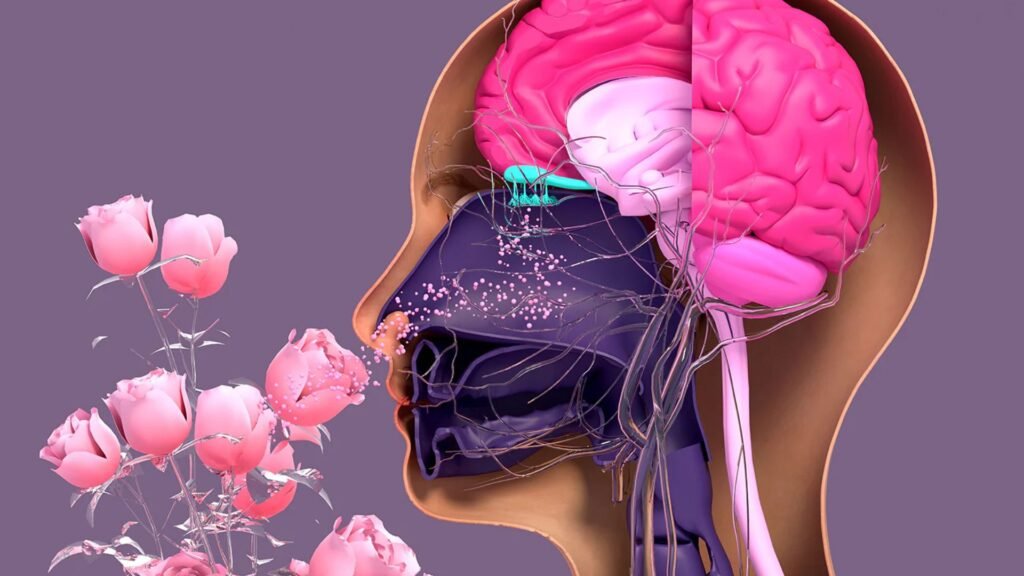
Understanding the Nervous System
The nervous system has two main branches that influence your responses:
- Sympathetic nervous system (SNS): Activates the “fight or flight” response in stressful situations, increasing heart rate, alertness, and energy.
- Parasympathetic nervous system (PNS): Activates the “rest and digest” response, slowing heart rate, relaxing muscles, and promoting recovery.
Balancing these systems is key. Overactive SNS leads to chronic stress, while an underactive PNS prevents proper relaxation and recovery.
Signs Your Nervous System Needs Regulation
The nervous system controls how your body and mind respond to stress, emotions, and everyday demands. When it is out of balance, your body sends clear signals. Recognizing these signs is the first step toward restoring calm and stability.
Rapid Heartbeat, Shallow Breathing, or Tight Muscles
An overactive sympathetic nervous system—the “fight or flight” response—can cause physical tension. You may notice your heart racing, your breathing becoming shallow, or muscles tightening, especially in the neck, shoulders, or jaw.
Why it matters: Persistent tension and rapid heartbeat can increase stress hormones like cortisol and adrenaline, affecting your overall health.
Feeling Anxious, Restless, or Irritable
Emotional signs often accompany physical tension. Anxiety, restlessness, irritability, or mood swings indicate that your nervous system is overstimulated. These feelings can make it hard to focus, enjoy activities, or connect with others.
Why it matters: Ignoring these signals can lead to chronic stress, which increases the risk of burnout, depression, or anxiety disorders.
Trouble Sleeping or Concentrating
When the nervous system is imbalanced, your mind may race, making it difficult to fall asleep or stay focused. Sleep disturbances, brain fog, and difficulty concentrating are common signs that your body is stuck in a heightened state of alert.
Why it matters: Poor sleep and scattered focus affect energy levels, memory, and decision-making, which can create a cycle of stress.
Digestive Discomfort or Tension Headaches
Physical stress responses often appear in the digestive system or head. Stomachaches, nausea, bloating, or tension headaches may signal that your body is struggling to manage stress. These are common because the gut and nervous system are closely linked.
Why it matters: Ignoring these signs can lead to long-term issues such as chronic headaches, digestive problems, or weakened immunity.
Emotional Outbursts or Difficulty Calming Down
When the nervous system is dysregulated, even small triggers can lead to strong emotional reactions. Yelling, crying, or feeling unable to calm yourself are signals that your body is overwhelmed and cannot return to a relaxed state on its own.
Why it matters: Recognizing these moments as nervous system signals rather than personal failures allows you to respond with self-care instead of shame or frustration.
Techniques to Regulate the Nervous System
Here are practical ways to calm, reset, and strengthen your nervous system:
Deep and Mindful Breathing
Breathing slowly and deeply activates the parasympathetic nervous system. Techniques like diaphragmatic breathing or the 4-7-8 method can reduce stress quickly.
Body Scanning
Notice areas of tension and consciously release them. Regular body scanning increases awareness of how stress affects the body.
Gentle Movement
Exercise, stretching, yoga, or tai chi helps regulate nervous system activity by improving circulation, releasing tension, and balancing energy.
Mindfulness and Meditation
Mindfulness practices calm the mind and strengthen the PNS. Focusing on sensations, breath, or surroundings brings attention back to the present moment.
Grounding Techniques
Connecting with your body and environment helps regulate overstimulation. Techniques include walking barefoot, pressing your feet into the floor, or holding an object mindfully.
Healthy Lifestyle Practices
Sleep, nutrition, and hydration directly affect nervous system function. Balanced meals, regular sleep, and limiting stimulants help maintain stability.
Final Thoughts
Learning how to regulate the nervous system is essential for managing stress, improving emotional health, and enhancing overall well-being. By practicing deep breathing, mindful awareness, movement, grounding, and healthy lifestyle habits, you strengthen your nervous system and build resilience. Regular practice allows you to respond to challenges with calm, clarity, and confidence, creating balance in your mind and body every day.