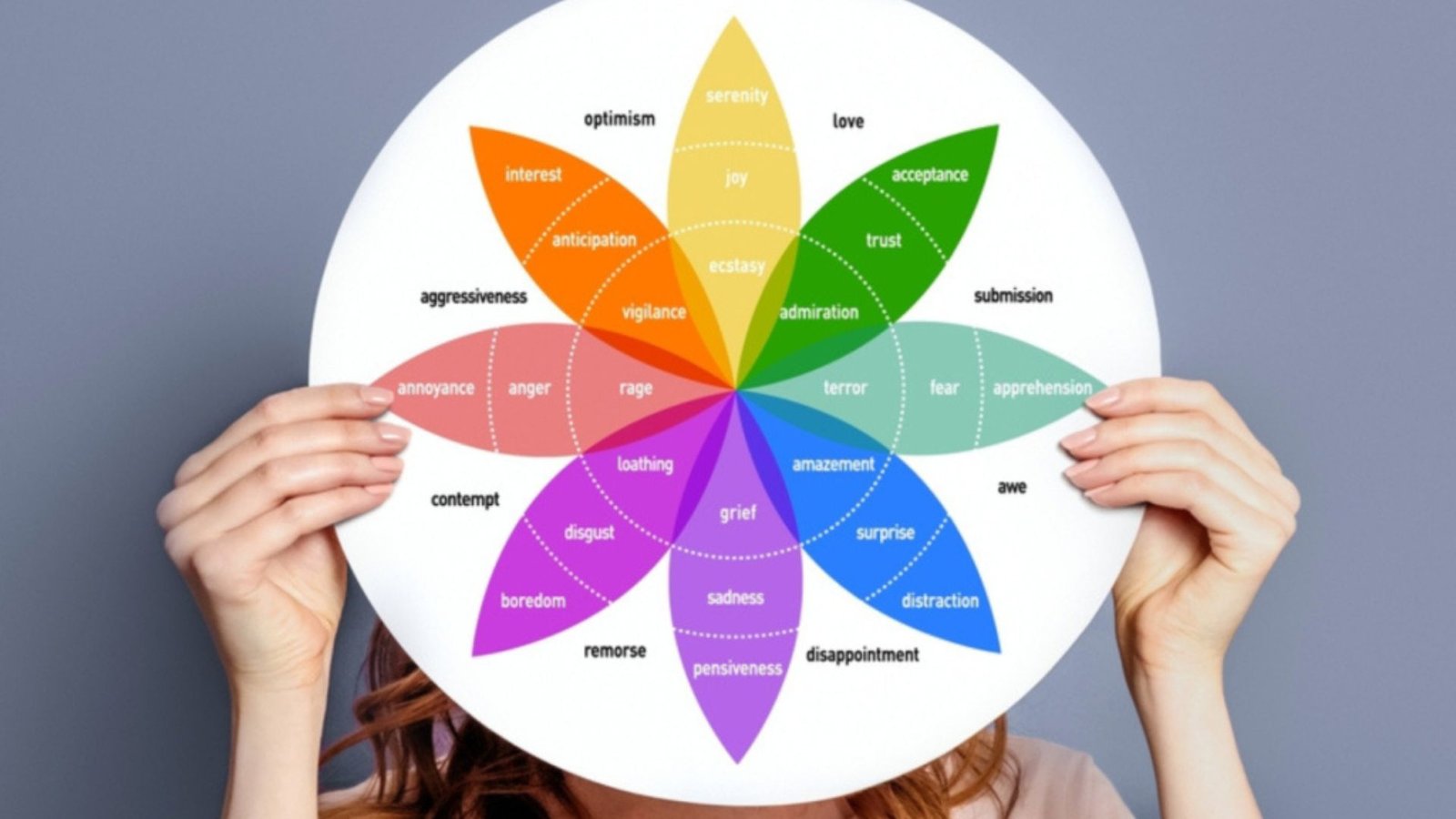
Emotions are powerful signals from your mind and body, guiding decisions, relationships, and daily experiences. Understanding emotions helps you respond thoughtfully instead of reacting impulsively. By learning to recognize, process, and reflect on feelings, you can improve self-awareness, manage stress, and build healthier relationships.

What It Means to Understand Emotions
Understanding emotions involves more than just identifying how you feel. It means observing emotional signals, noticing patterns, and connecting feelings to thoughts, actions, and situations. Emotional awareness allows you to respond consciously rather than letting emotions control your behavior.
- Recognizing emotions: Identifying what you feel in the moment.
- Naming emotions: Giving specific labels like anger, sadness, joy, or anxiety.
- Understanding triggers: Noticing what events, thoughts, or interactions spark emotions.
- Processing emotions: Reflecting on feelings without judgment and determining constructive responses.
Why Understanding Emotions Matters
Understanding your emotions affects all areas of life:
- Self-awareness: Recognizing feelings helps you understand your thoughts, values, and motivations.
- Emotional regulation: Awareness allows you to manage reactions and reduce stress or conflict.
- Better relationships: Knowing your emotions helps communicate needs and empathize with others.
- Decision-making: Emotions provide information about priorities and preferences, improving choices.
How Emotions Are Formed
Emotions emerge from a combination of brain activity, body signals, and personal experiences:
- Brain activity: Areas like the amygdala and prefrontal cortex process threats, rewards, and social cues.
- Body signals: Heart rate, muscle tension, and breathing changes often reflect emotions before we consciously recognize them.
- Experience and learning: Past events shape how we interpret and respond to emotional triggers.
Practical Ways to Understand Emotions
Understanding your emotions is a skill that can be developed with awareness and intentional practice. Here are some practical strategies to help you recognize, process, and respond to your feelings effectively:
Check in with Your Body
Your body often gives the first signals of emotions before your mind fully recognizes them. Physical sensations such as tension in the shoulders, a tight chest, a racing heartbeat, or shallow breathing can indicate stress, anxiety, excitement, or anger. By paying attention to these cues, you can identify what you are feeling in real-time and respond appropriately.
Label Your Feelings
Naming your emotions is a powerful tool for understanding them. Using precise labels such as anger, sadness, frustration, excitement, or fear helps your brain process the feeling more clearly and reduces confusion or overwhelm. Avoid vague labels like “I feel bad” and try to be specific.
Observe Patterns
Reflecting on situations that consistently trigger strong emotions can reveal underlying habits, needs, or triggers. Observing these patterns over time increases self-awareness and gives insight into how your emotions interact with your environment.
Practice Mindfulness
Mindfulness means staying present with your emotions without judgment. Instead of pushing feelings away or reacting immediately, observe them calmly, noticing intensity, triggers, and physical sensations. Mindfulness creates a safe space for your emotions, allowing them to pass naturally and helping you respond thoughtfully rather than impulsively.
Journal Your Emotions
Writing about your feelings is an effective way to process and explore them. Journaling helps you understand causes, track patterns, and reflect on your reactions. Over time, this practice strengthens emotional insight and can reveal solutions or coping strategies you might not notice in the moment.
Talk to Someone Trusted
Sharing your feelings with a trusted friend, family member, or therapist can provide perspective and validation. Sometimes emotions feel overwhelming when kept inside. Talking helps you verbalize what you feel, gain clarity, and receive support or advice.
Benefits of Understanding Emotions
When you develop emotional understanding, you gain:
- Improved mental health: Reduced anxiety and better stress management.
- Healthier relationships: Clear communication and empathy strengthen bonds.
- Greater self-awareness: Awareness of feelings leads to more intentional choices.
- Better coping skills: Emotions guide constructive problem-solving rather than reactive behavior.
Example: Someone who recognizes sadness early can seek comfort, rest, or support, preventing the feeling from escalating into prolonged stress or conflict.
Final Thoughts
Learning how to understand emotions is a lifelong skill that strengthens self-awareness, emotional regulation, and resilience. By recognizing, labeling, and reflecting on feelings, you can respond thoughtfully to life’s challenges, enhance relationships, and improve overall well-being. Understanding your emotions is not about controlling them completely but learning to listen, interpret, and act in ways that support balance and growth.