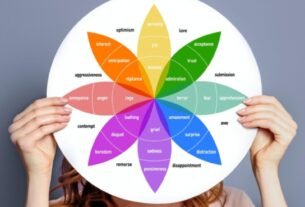
Empathy is the ability to understand and share the feelings of others. Developing empathy skills strengthens relationships, improves communication, and enhances emotional intelligence. When we truly connect with how others feel, we build trust, compassion, and deeper human connections. Empathy is not just about feeling—it’s about recognizing emotions, responding thoughtfully, and taking meaningful action.

What Empathy Skills Are
Empathy skills involve more than noticing someone’s emotions. They include understanding, reflecting, and responding in ways that show care and support. Key empathy skills include:
- Active listening: Paying full attention to what someone says without interrupting or judging.
- Emotional recognition: Noticing verbal and non-verbal cues such as tone, expressions, and body language.
- Perspective-taking: Imagining what it’s like to be in someone else’s situation.
- Compassionate response: Offering support, encouragement, or validation.
Example: When a friend is upset about a work challenge, active listening and saying, “I can see why that would feel frustrating,” demonstrates empathy without trying to immediately fix the problem.
Why Empathy Skills Matter
Empathy is a cornerstone of human connection and personal growth:
- Stronger relationships: Understanding others fosters trust, loyalty, and closeness.
- Better communication: Empathetic listening improves clarity and reduces misunderstandings.
- Emotional intelligence: Recognizing and responding to feelings increases self-awareness and social awareness.
- Conflict resolution: Empathy helps de-escalate tension and find solutions that consider everyone’s perspective.
Example: In a workplace disagreement, an empathetic manager can recognize each employee’s feelings, validate their concerns, and guide the team toward compromise.
How to Develop Empathy Skills
Building empathy is a skill that can be practiced and strengthened:
- Listen actively: Give your full attention, maintain eye contact, and avoid interrupting.
- Observe body language: Notice gestures, facial expressions, and tone of voice to understand unspoken emotions.
- Reflect feelings: Paraphrase what someone expresses to show understanding. For example, “It sounds like you felt overwhelmed by that project.”
- Ask thoughtful questions: Encourage the other person to share more by asking open-ended questions.
- Practice perspective-taking: Imagine how the situation feels from the other person’s point of view.
- Respond with compassion: Offer support, encouragement, or validation without judgment or criticism.
Example: If a friend shares disappointment about not getting into a program, you might respond: “I understand why you feel disappointed. That must be tough. How can I support you right now?”
Benefits of Empathy Skills
Developing strong empathy skills has profound effects on both personal and professional life. When you understand and connect with the emotions of others, it creates positive ripple effects in relationships, communication, and decision-making.
Improved Emotional Health
Empathy helps build meaningful connections with others, which is essential for emotional well-being. When we feel understood and validate the emotions of others, our brains release oxytocin, sometimes called the “bonding hormone,” which reduces stress and feelings of loneliness. Over time, practicing empathy contributes to greater emotional resilience, a more positive mood, and overall mental health.
Example: Supporting a friend who is going through a tough time not only helps them feel less alone but also strengthens your own sense of purpose and emotional fulfillment.
Deeper Relationships
Empathy allows people to feel seen, heard, and valued. This strengthens trust and intimacy in personal and professional relationships. When others perceive that you understand their feelings, they are more likely to open up, collaborate, and engage meaningfully.
Greater Leadership Impact
Leaders who cultivate empathy inspire loyalty, trust, and collaboration within their teams. Understanding team members’ emotions and perspectives allows leaders to address concerns effectively, motivate individuals, and create a positive work culture. Empathetic leadership reduces turnover and enhances team performance by making employees feel appreciated and understood.
Enhanced Problem-Solving
Empathy strengthens problem-solving by encouraging perspective-taking. Considering how others feel and what they need often leads to more balanced, creative, and effective solutions. By integrating emotional understanding with logic, conflicts are resolved constructively rather than reactively.
Reduced Conflict
Understanding emotions helps prevent misunderstandings and reduces unnecessary arguments. When you can recognize the root cause of someone’s frustration or sadness, you are less likely to respond defensively and more likely to approach situations calmly. Empathy encourages dialogue rather than confrontation.
Final Thoughts
The power of empathy skills lies in their ability to transform relationships, communication, and emotional intelligence. By actively listening, recognizing emotions, taking perspectives, and responding with compassion, you build stronger connections and foster understanding in every area of life. Empathy is a skill you can practice daily—whether with family, friends, colleagues, or strangers—and the more you cultivate it, the richer and more meaningful your relationships will become.