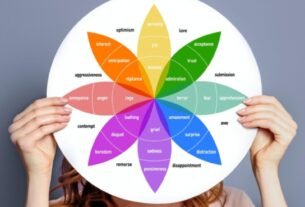
Somatic healing practices focus on the body as a pathway to emotional and psychological well-being. Unlike approaches that rely solely on talking, somatic methods use body awareness, movement, and sensations to release tension, process emotions, and restore balance. By connecting the mind and body, these practices help reduce stress, heal trauma, and improve overall health.

What is Somatic Healing?
The term “somatic” comes from the Greek word soma, meaning body. Somatic healing emphasizes that emotions and trauma are often stored in the body, not just in the mind. Physical sensations like tight muscles, shallow breathing, or fatigue can reflect unresolved emotional experiences.
Somatic practices teach you to:
- Notice bodily sensations associated with emotions
- Release tension stored from stress or trauma
- Strengthen the mind-body connection
- Respond to challenges with calm and resilience
Common Somatic Healing Practices
There are many techniques used in somatic healing. Here are some of the most effective:
Mindful Body Awareness
Paying attention to physical sensations in a non-judgmental way helps you detect where stress or emotion is held. This practice increases self-awareness and emotional clarity.
Breathwork
Conscious breathing regulates the nervous system and helps release stored emotions. Techniques like diaphragmatic breathing, box breathing, or alternate nostril breathing promote relaxation and mental clarity.
Movement and Stretching
Gentle movements, yoga, tai chi, or even shaking the body can release tension and help process emotional energy stored in muscles. Movement allows blocked emotions to flow and reduces stress.
Grounding Techniques
Grounding involves connecting with the body and the present moment to calm overactive emotions or anxiety. Simple practices include feeling your feet on the floor, pressing your hands together, or walking barefoot.
Example: After receiving stressful news, standing barefoot and noticing the connection of your feet with the ground can stabilize and calm your nervous system.
Trauma-Informed Body Work
Somatic therapy often includes trauma-informed approaches where the body helps process past experiences safely. Techniques may include gentle touch, guided movement, or awareness exercises.
Benefits of Somatic Healing Practices
Somatic healing practices are not just about movement or relaxation—they are a powerful tool for improving emotional, mental, and physical well-being. By connecting with the body and noticing sensations, you can release stored tension, process emotions, and restore balance. Let’s explore these benefits in detail:
Stress Reduction
One of the most immediate benefits of somatic practices is stress relief. When your body experiences tension, it can trigger the nervous system’s “fight or flight” response, leading to rapid heartbeat, shallow breathing, and muscle tightness. Somatic practices like mindful movement, breathwork, and grounding techniques help release this tension and calm the nervous system.
Emotional Regulation
Somatic healing improves your ability to recognize and respond to emotions before they overwhelm you. Physical sensations often signal emotions before your conscious mind fully registers them. By tuning into these signals—like tight shoulders when angry or a fluttering stomach when anxious—you can respond thoughtfully rather than react impulsively.
Healing Trauma
Somatic practices are especially valuable for processing unresolved trauma. Emotional trauma often leaves traces in the body—tight muscles, shallow breathing, or chronic tension. Somatic healing gently addresses these physical imprints, allowing the nervous system to release stored fear, sadness, or pain safely.
Improved Mind-Body Connection
Practicing somatic healing strengthens your awareness of the mind-body connection. By observing how thoughts, emotions, and sensations interact, you gain insight into patterns that influence behavior. This self-awareness allows you to make choices that honor both your physical and emotional needs.
Physical Wellness
Somatic healing doesn’t just affect emotions—it also supports physical health. By releasing muscle tension, improving posture, and increasing circulation, these practices enhance energy flow and overall vitality. Regular somatic work can reduce chronic discomfort, improve flexibility, and support long-term physical wellness.
Overall Impact
Integrating somatic healing practices into your daily routine creates a ripple effect across all areas of life. People often report:
- Decreased anxiety and stress
- Better sleep and relaxation
- Increased emotional balance and clarity
- Greater physical comfort and energy
- Enhanced self-awareness and confidence
Final Thought
Somatic healing practices remind us that the body is an essential guide for emotional and mental well-being. By tuning into physical sensations, using mindful movement, breathwork, and grounding, we can release tension, process emotions, and restore balance. Incorporating these practices into daily life strengthens resilience, reduces stress, and fosters a deeper mind-body connection that supports overall health.