
Feelings are not just fleeting experiences—they are powerful signals that influence our thoughts, behaviors, and bodies. They shape how we perceive the world, make decisions, and interact with others. Understanding why feelings are powerful allows us to harness them for better mental, emotional, and physical well-being.
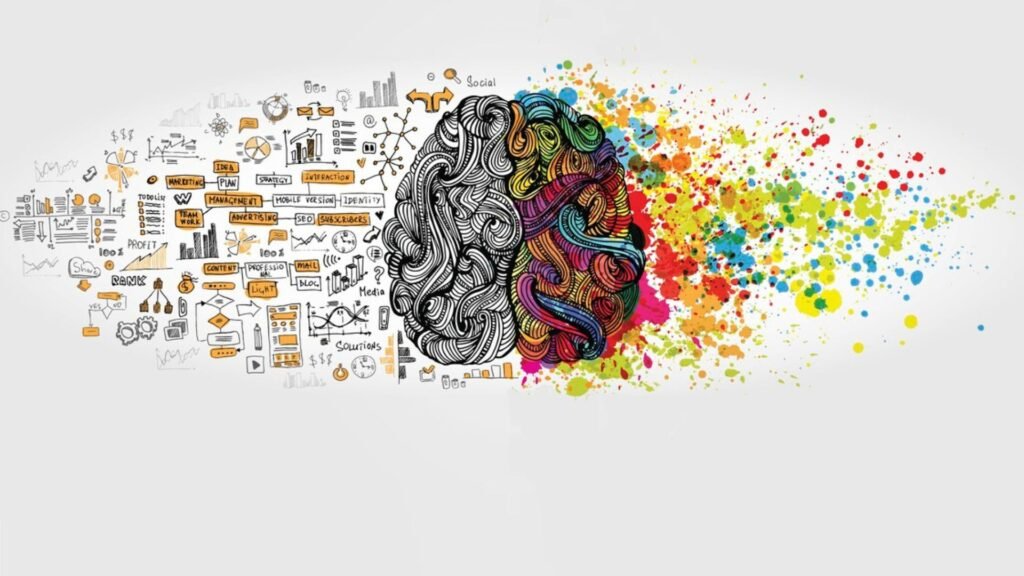
Emotions Shape Decisions
The brain often reacts emotionally before logic even has a chance to weigh in. The amygdala, the brain’s emotion center, quickly detects threats or opportunities, triggering immediate emotional responses. The prefrontal cortex, which governs rational thinking, then interprets these emotions and guides decisions.
For example, when faced with a sudden challenge, fear may make you pause, giving your brain time to analyze the situation. Conversely, excitement may motivate action even before you consciously process the pros and cons. Research shows that people with damage to emotional processing areas of the brain often struggle to make even simple choices, highlighting that feelings are essential guides, not optional extras.
Feelings Enhance Memory
Emotions make experiences memorable. Emotional events trigger the release of stress hormones, such as adrenaline, which strengthen the brain’s memory circuits. This is why we often remember moments of joy, fear, or sadness far more vividly than neutral events.
For instance, people can recall where they were and what they were doing during major life events—like a graduation, first kiss, or receiving important news—long after the events occurred. This shows that emotions act as a spotlight, highlighting experiences the brain considers important.
Emotional Influence on Health
Feelings are deeply connected to the body. Positive emotions such as joy, gratitude, and love are linked to lower blood pressure, improved immune function, and longer lifespan. Conversely, chronic negative emotions like anger, stress, or sadness increase cortisol, trigger inflammation, and raise the risk of conditions like heart disease.
Studies in psychoneuroimmunology reveal that emotional well-being directly affects physical health. Even simple practices, like gratitude journaling or mindful breathing, can positively influence both mental and physical states, proving the profound power of emotions.
Social and Relationship Impact
Emotions are central to human connection. People with high emotional awareness—often called emotional intelligence—can recognize and respond to their own feelings and the feelings of others. This skill strengthens empathy, trust, and cooperation.
Research shows that workplace teams with higher emotional intelligence are more productive, communicate better, and experience fewer conflicts. In personal relationships, recognizing and responding to emotional cues builds intimacy and reduces misunderstandings. Feelings, in this sense, are social tools that guide human connection.
The Brain-Body Connection
Feelings are not just mental—they are embodied experiences. Emotions influence heart rate, breathing, digestion, muscle tension, and more. Hormones like cortisol, adrenaline, and oxytocin amplify these sensations, creating a physical dimension to feelings.
For example:
- Fear triggers a racing heart and shallow breathing.
- Excitement can create butterflies in the stomach.
- Love or trust releases oxytocin, creating warmth and calm.
This mind-body connection explains why emotions can feel intense and why managing them requires attention to both mental and physical signals.
Practical Ways to Harness the Power of Feelings
Understanding why feelings are powerful is only useful if applied. Here are some practical tips:
- Acknowledge your emotions – Don’t suppress feelings; notice them.
- Reflect before reacting – Use emotions as guidance, not impulse triggers.
- Observe body signals – Tension, restlessness, or a racing heart can reveal underlying emotions.
- Practice mindfulness – Being present helps regulate strong emotions and reduce stress.
- Communicate emotions – Sharing feelings fosters understanding and strengthens relationships.
Final Thoughts
Feelings are powerful because they guide decisions, enhance memory, influence health, and shape relationships. They are full-body experiences that connect mind, body, and environment. By understanding why feelings are powerful, we can use them as tools for better decision-making, emotional regulation, and deeper human connection. Emotions are not obstacles—they are essential guides to living a balanced, aware, and connected life.